
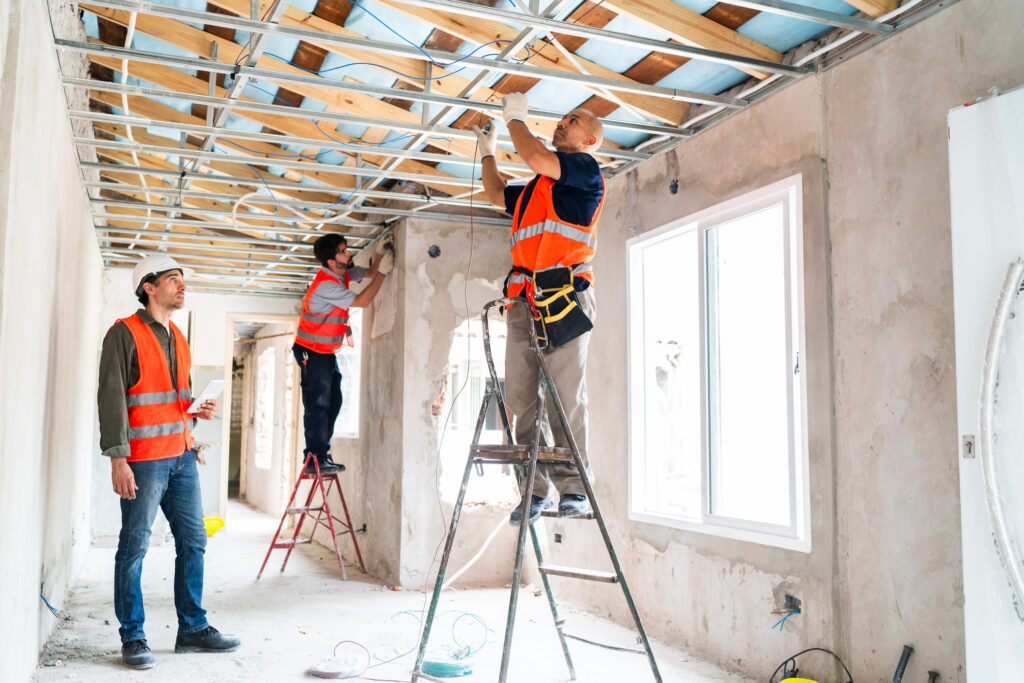
Construction in Occupied Buildings: What to Plan
Construction in occupied buildings requires a different level of preparation from work taking place in an empty property or isolated site. The construction project still needs to be delivered effectively,…

OT-Led Housing Adaptations: How Are Works Coordinated?
OT-led housing adaptations require more than simply arranging a contractor once an Occupational Therapist has identified a need. The recommended outcome has to be translated into practical building work, the…
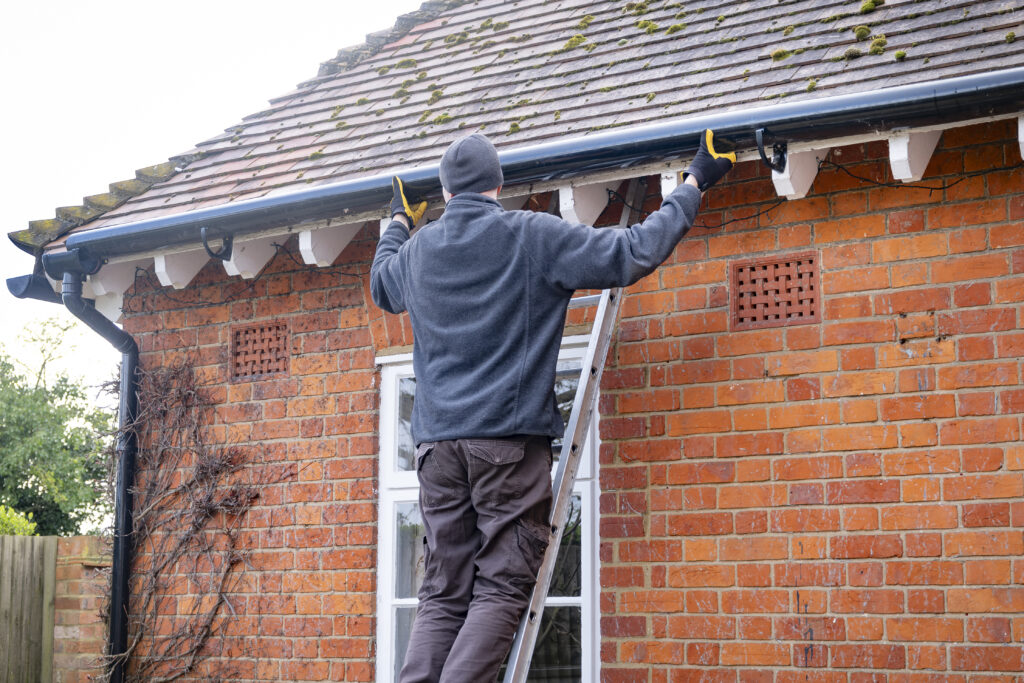
Social Housing Void Works: What Happens Before Re-Let?
Social housing void works take place when a property becomes vacant and needs attention before it can be re-let to another tenant. The exact work required will vary from one…
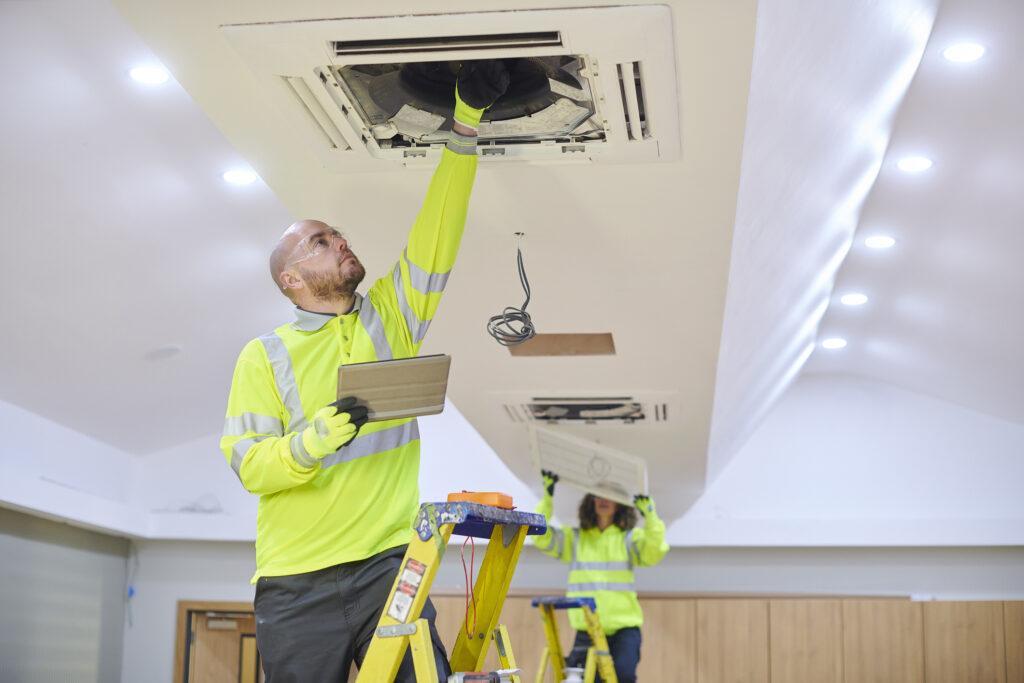
Maintenance in Occupied Buildings: Reduce Disruption
Carrying out maintenance in occupied buildings requires more than arranging the technical work itself. Facilities managers also need to consider the people using the building, the areas that must remain…

Reactive Maintenance Risks: What Can Go Wrong?
The main reactive maintenance risks appear when responding to faults becomes the dominant way a building is maintained rather than one part of a wider maintenance strategy. Reactive maintenance itself…

Planned vs Reactive Maintenance: What’s the Difference?
Planned vs reactive maintenance describes two different ways of dealing with the upkeep, servicing and repair of buildings. Planned maintenance is organised in advance, usually because a task can be…